Choosing the right camping stove can make a big difference in your outdoor experience. Whether you’re boiling water for coffee, preparing a hot meal, or simply trying to stay warm, the stove you bring can affect your cooking ease, safety, and even how much you enjoy your trip. With so many stove types available, selecting the best one can feel overwhelming. This article will guide you through the main stove options and help you decide which type is the best fit for your camping adventures.
Types of Camping Stoves
Camping stoves come in all shapes and sizes, each with its own perks and quirks. Here’s a quick rundown to help you get the lay of the land.
Canister Stoves
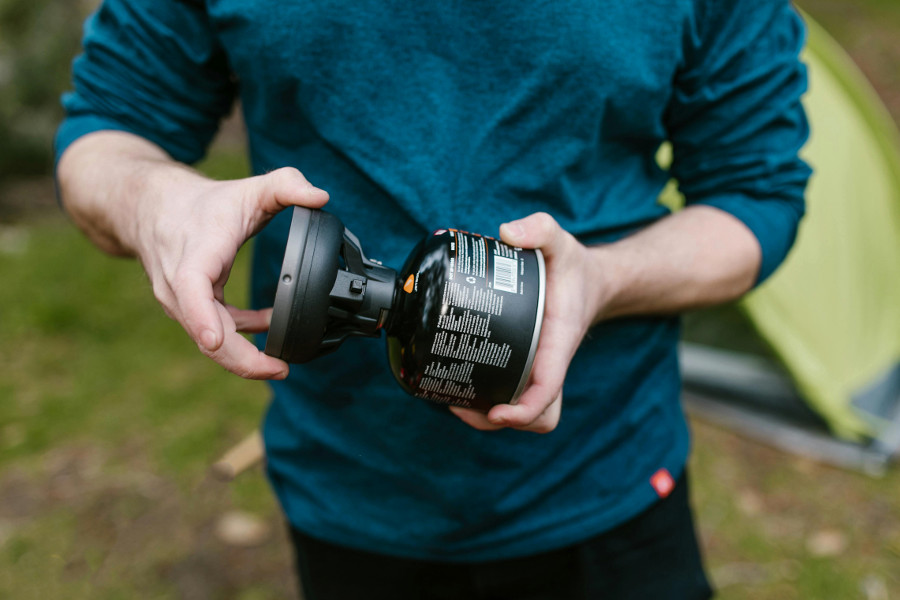
Canister stoves are like the Swiss Army knives of camping cooking: light, reliable, and super easy to use. They run on small gas canisters filled with propane, isobutane, or blends of the two. Flick a lighter or click a built-in igniter, and you’re cooking in seconds.
They’re perfect for quick trips or backpackers who want to keep things simple. Just be mindful - those canisters can be a pain to pack out once empty, so plan ahead on how to carry or dispose of them.
Liquid Fuel Stoves
If you’re gearing up for a serious adventure, like high-altitude climbs or winter camping, liquid fuel stoves might be your best friend. These bad boys run on fuels like white gas or kerosene, which burn hotter and perform better in cold or windy conditions.
They’re heavier and need a bit of fuss - think priming the stove and some regular cleaning - but if you want a workhorse that won’t quit, this is it. Perfect for longer trips or hardcore backpackers who need reliable fuel wherever they go.
Alcohol Stoves
For the minimalist and ultralight crowd, alcohol stoves are a gem. They use denatured alcohol, are super cheap, and weigh next to nothing. Plus, they’re whisper quiet, making your camp feel peaceful and mellow.
The tradeoff? They’re not the fastest when it comes to boiling water and don’t have much flame control. Great for simple meals and those who want to keep their pack weight ridiculously low.
Solid Fuel Stoves
These use small fuel tablets that you can pack easily and light with minimal effort. They’re straightforward and compact, which makes them handy for emergencies or minimalist setups.
The downside is that they don’t let you adjust the heat well, can smell a bit funky, and cook slower than other options. Still, if you want something foolproof for quick cooking, they’re worth a look.
Wood-Burning Stoves
There’s something deeply satisfying about cooking over a fire fueled by twigs and branches you find right around your campsite. Wood-burning stoves tap into that primal joy, so you don’t have to carry fuel with you.
That said, not all campsites allow them due to fire risk, and they can be smoky and slower to get going. If you’re in a forested area with plenty of dry wood and you love the crackle and smell of real fire, these stoves are pure magic.
Factors to Consider When Choosing a Camping Stove
So, how do you pick the right one? It depends on a few key things:
- Trip length and frequency
Are you out for a quick day hike or weeks in the wilderness? Your stove choice will vary wildly depending on that. - Type of camping (backpacking vs. car camping)
Weight and size are king if you’re packing on your back. If you’re car camping, you can bring a beast of a stove with all the bells and whistles. - Fuel availability and storage
Will you be able to get refills where you’re headed? Some fuels aren’t sold everywhere, and carrying fuel safely is a must. - Weather conditions
Cold, wind, and altitude all affect stove performance. Liquid fuel stoves handle rough conditions better than most. - Cooking needs
Simple coffee and ramen, or gourmet meals with multiple burners? Match your stove to your culinary ambitions. - Ease of use and maintenance
Some stoves need priming and cleaning, while others are plug-and-play. Think about how much time and patience you want to spend fiddling with your gear. - Safety
Stable footing, flame control, and good ventilation can’t be overlooked. Safety first, always.
Recommendations for Different Camping Scenarios
Backpacking Stove Recommendations
If you’re hitting the trails with a pack on your back, go light and go efficient. Canister stoves like the MSR PocketRocket or Jetboil MiniMo boil water fast and pack small. Alcohol stoves also shine here for the ultra-light minimalists.
Family or Car Camping Stove Recommendations
When you roll up to the campsite in a car, bring the big guns. Multi-burner propane stoves like the Coleman Classic give you plenty of room to cook for a crowd and whip up meals like a pro.
Emergency or Survival Stove Recommendations
For your emergency kit, simple is best. Alcohol or solid fuel stoves don’t take up much space and can be lifesavers when you need them most.
Additional Tips for Using Camping Stoves
- Transport fuel carefully: Store canisters upright and secure to avoid leaks or accidents.
- Cook smart: Use a windshield to keep your flame steady, and prep your ingredients before lighting up.
- Respect nature: Dispose of fuel canisters properly, gather wood sustainably, and always check fire restrictions.
- Keep your stove clean: Regularly clear jets and seals to keep things running smooth, especially if you camp often.
Closing Words
Finding the right camping stove is all about knowing your style and what you need from your gear. Whether you’re after lightweight convenience, fuel flexibility, or just want to cook a feast at your campsite, there’s a stove that fits. Take a moment to think through your next trip, your cooking needs, and the conditions you’ll face - and you’ll find the perfect stove to make those moments around the fire all the more memorable.
So, what stove do you usually bring? Got any favorite models or stories? Drop me a line - I’d love to hear about your adventures!