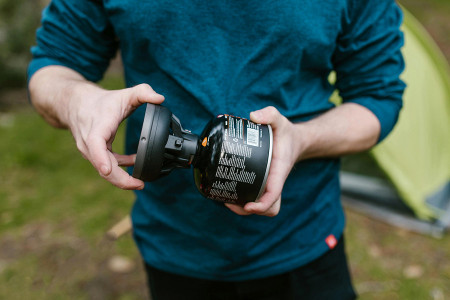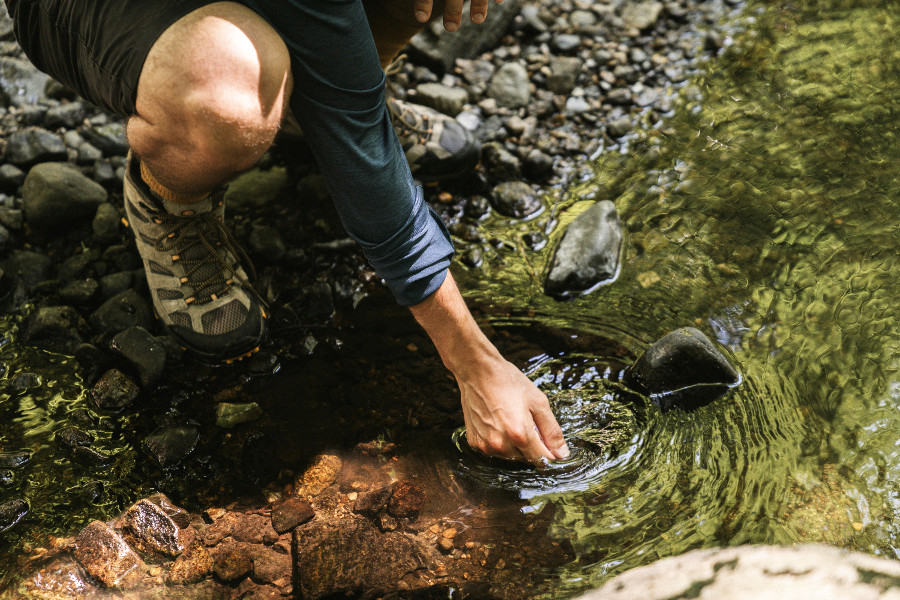
Picture this: you’re out camping, surrounded by the raw beauty of nature, the crackle of a campfire nearby, and the stars overhead. You’re parched, and you want to drink straight from that clear stream you found. But hold up - do you really know if that water is safe? This is where understanding the difference between water filtration and purification becomes your best friend. Knowing which method to use can keep you healthy and happy, and avoid a nasty case of the dreaded “traveler’s tummy.” So, let’s dive into what makes filtration and purification different and why it matters for campers like you.
1. Understanding the Basics
First off, let’s clear the fog. Water filtration is basically about physically removing unwanted stuff from your water. Imagine it like a sieve catching dirt, bacteria, and protozoa as the water passes through tiny holes.
On the flip side, water purification takes things up a notch. It’s all about killing or neutralizing harmful microorganisms - including viruses - that filters can’t always catch. Purification often uses chemicals, UV light, or heat to make water safe.
In simple terms: filtration stops bigger bad guys, but purification wipes out the whole crew - including the tiny, sneaky viruses.
2. How Water Filtration Works
Water filters are like your trusty gatekeepers. They work by pushing water through ultra-fine pores that trap particles and bugs.
Campers swear by a few popular types of filters:
- Pump filters: You pump water through a filter that catches the gunk.
- Gravity filters: These use gravity to pull water through, usually with a hanging bag and hose setup.
- Straw filters: Sip directly through these lightweight filters - perfect for solo adventurers.
Most filters will happily ditch:
- Mud, sand, and sediment
- Protozoa like Giardia and Cryptosporidium (nasty little parasites)
- Bacteria such as E. coli and Salmonella
But - and this is key - they usually can’t remove viruses. Viruses are too tiny to get caught in most filter pores. Also, chemicals like pesticides or heavy metals are out of their reach. So, if your water comes from clean, remote mountain streams, filtration often does the trick.
3. How Water Purification Works
Purification is like the superhero of water treatment - it goes beyond catching stuff and kills the villains.
Common purification methods include:
- Chemical treatments: Think iodine, chlorine, or chlorine dioxide tablets or drops that zap bacteria, protozoa, and viruses.
- UV light gadgets: Portable devices that blast harmful organisms with ultraviolet light, scrubbing their DNA clean.
- Boiling: The classic campfire method - bring water to a rolling boil for at least a minute and you’re golden.
Purification clears out:
- Bacteria
- Protozoa
- Viruses (including those pesky ones filtration misses)
- Sometimes certain chemicals, depending on the method
Of course, purification comes with trade-offs: chemicals can taste funky, UV devices need batteries, and boiling requires fuel and patience. But when it comes to making water safe, they’re power moves.
4. When to Use Filtration vs. Purification
So, when do you pick filtration, and when do you go all out with purification?
- For fresh, clear water in wilderness areas far from civilization, filtration alone often works fine. You’ll ditch the big stuff and most pathogens.
- But if you’re near towns, farms, or anywhere with possible sewage or livestock runoff, purification is a must. Viruses tend to lurk in these places, and filters won’t cut it alone.
- Many seasoned campers combine the two: filter first to remove grit and crud, then purify to kill off viruses and ensure safety.
Also, think about your crew - kids, seniors, or anyone with a weaker immune system should lean toward purification for extra peace of mind.
5. Pros and Cons of Each Method
Filtration Pros:
- Fast and easy to use
- Removes many common contaminants and sediment
- Reusable, so it’s good for the environment
- No weird chemical taste
Filtration Cons:
- Does not get rid of viruses
- Filters can clog or break
- Effectiveness depends on quality and maintenance
Purification Pros:
- Kills viruses, bacteria, and protozoa
- Some methods handle chemical pollutants
- Portable options for any adventure
Purification Cons:
- Chemicals might taste odd
- UV devices need batteries or charging
- Boiling takes fuel and time
- Often needs pre-filtering to remove sediment
In reality, many campers don’t rely on just one method. Carrying both filtration and purification gear covers all your bases.
6. Practical Tips for Campers
Here’s the deal: knowing your water treatment options is one thing, but using them right is where the magic happens.
- Scout your water source: Find out what’s in the water before you decide on treatment. A mountain spring? Maybe just a filter. A river downstream from a town? Better purify.
- Pick your tool wisely: A pump filter for quick trips, chemical tablets for ultralight packers, UV devices for tech-savvy explorers.
- Take care of your gear: Clean your filters regularly, stash spare chemical tablets, and keep batteries charged.
- Have a backup: Gear breaks, batteries die, and tablets get lost. Always carry a Plan B.
- Keep it clean: No matter how well you treat your water, store it in a clean container and avoid contaminating it with dirty hands.
Wrapping It Up
There’s something magical about sipping from a mountain stream or refilling your bottle by a forest creek - but only if that water is safe. Knowing the difference between water filtration and purification isn’t just handy - it’s essential. Filtration takes care of the big nasties, purification wipes out the tiniest threats. Together, or on their own depending on the situation, they’re your ticket to staying healthy and hydrated on the trail. So gear up smart, respect the water, and enjoy every sip on your next outdoor adventure.
Ready to hit the trails with confidence? Your perfect water treatment combo is waiting. Cheers to safe camping!