Choosing the right backpack is one of the most important decisions you’ll make before heading out on a hiking trip. The right pack can significantly enhance your comfort, safety, and overall experience on the trail, while the wrong one can lead to unnecessary strain, discomfort, or even injury. Whether you’re planning a short day hike or a multi-day expedition, having a backpack tailored to your needs makes all the difference. This article will guide you through the essential factors to consider when selecting the best backpack for your hiking adventure.
1. Understand the Type of Hiking You’ll Be Doing
First things first: What kind of hiking are you into? Are you planning a quick day hike where you only need water, snacks, and maybe a jacket? Or are you gearing up for a multi-day trek where your pack needs to carry a tent, sleeping bag, cooking gear, and more? The type of hike changes everything when it comes to your backpack choice.
For shorter trips, a smaller pack is perfect - it’s lighter and won’t weigh you down. But if you’re heading out for a few days, you’ll need something bigger, tougher, and designed to hold more gear. Also, think about the terrain and weather you’ll face. Hiking in rainy or rocky areas calls for backpacks with durable, water-resistant materials. Hot, sunny trails? Look for packs with good ventilation to keep you cool. Matching your backpack to your hiking style and environment sets you up for success right from the start.
2. Determine the Right Size and Capacity
Backpacks are sized by liters, and knowing how much space you need is a big deal. For day hikes, something between 15 and 30 liters usually does the trick. That’s enough room for essentials without the bulk. For overnight or longer trips, look for packs in the 40 to 70-liter range to fit all your camping gear and extra clothes.
Here’s a tip: Don’t overdo it. Getting a massive backpack “just in case” can lead to overpacking, and trust me, lugging around unnecessary stuff will slow you down and wear you out. On the flip side, a pack that’s too small means you’ll be cramming and stressing about fitting everything. So, figure out roughly how much gear you carry and aim for a pack that fits that volume comfortably, with maybe a little wiggle room.
3. Focus on Fit and Comfort
This one’s huge. A backpack that doesn’t fit right is not just uncomfortable - it can cause real pain and injuries over time. You want something that feels like it was made for your body.
The fit mainly comes down to three things: your torso length, hip belt size, and shoulder straps. The torso length is the distance from the base of your neck to your waist, and that determines the pack’s back length. Hip belts are key because they take the weight off your shoulders and put it on your hips - your body’s strongest carrying muscles. And adjustable shoulder straps help keep the pack snug but not suffocating.
When shopping, load the backpack up with some weight and wear it around. Walk, bend, and move. If it digs into your shoulders, chafes, or slips around, keep looking. The right fit will feel supportive and balanced, making even a long hike feel doable.
4. Features to Look For
Now, what about extras? Good features can make a huge difference on the trail.
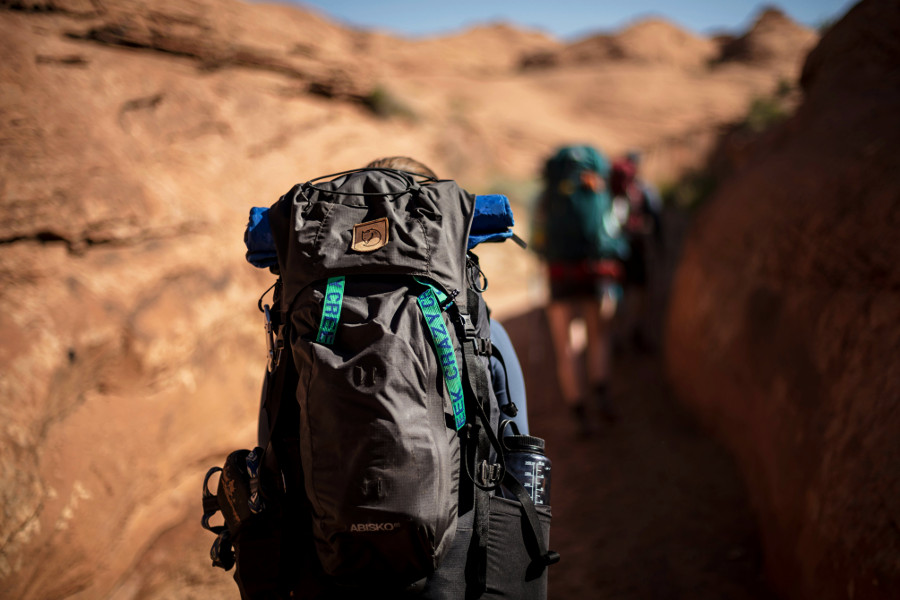
First up: hydration compatibility. Being able to hook up a water bladder so you can sip on the go is a game-changer. Multiple compartments and pockets keep your gear organized and easy to reach, so you’re not digging around for your map or snacks.
Look for attachment points on the outside - loops or straps where you can clip trekking poles, sleeping mats, or other gear. The material matters too: waterproof or at least water-resistant fabric helps keep your stuff dry in a sudden downpour, and durable fabrics mean your pack can take a beating.
Don’t forget ventilation. Backpacks with mesh back panels or airflow channels keep your back cooler and reduce sweat buildup. Lastly, padded shoulder straps and hip belts add comfort, especially when your pack is loaded up.
5. Budget and Brand Considerations
Backpacks can range from bargain-basement deals to premium price tags. While it’s tempting to grab the cheapest option, remember that you usually get what you pay for. A quality backpack will last longer, feel better on your back, and perform better in rough conditions.
Trusted brands often have thoughtful designs and better materials, but don’t dismiss smaller or newer brands outright. Just do your homework - read reviews, ask around, and maybe test a few in person.
Set a budget that feels right for you, and invest in the features and fit that matter most. Sometimes spending a bit more upfront saves you from discomfort and frustration down the road.
Closing Words
Picking the right backpack might feel overwhelming at first, but it’s worth the effort. Think about what kind of hike you’ll be doing, choose the right size, focus on fit and comfort, and pick a pack with the features you’ll actually use. And don’t forget your budget!
At the end of the day, the best backpack is one that feels like a trusted companion - light enough to carry, comfortable enough to forget about, and tough enough to handle the wild. So go ahead, find your perfect pack, hit the trail, and let your next adventure begin.