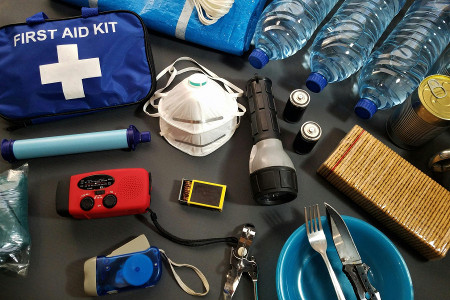
When you’re out camping, soaking in the fresh air and escaping the hustle and bustle, it’s easy to forget about technology. But let’s face it - our phones, GPS units, cameras, and other gadgets often become essential tools on the trail. Whether it’s capturing breathtaking photos, navigating unfamiliar terrain, or staying connected in emergencies, keeping your devices powered up is a top priority. The challenge? There’s no power outlet in the woods. That’s why knowing your options for charging devices while camping is crucial. This article explores the best power sources to keep your gear charged and your adventure rolling.
1. Why Having Reliable Power Sources Matters While Camping
Charging devices while camping might seem like a modern-day luxury, but it’s actually pretty crucial. Phones and GPS aren’t just for selfies - they can be lifesavers if you get lost or need to call for help. Plus, keeping your lights, speakers, or a fan running can make your campsite feel like a cozy home away from home. Whether you’re a weekend warrior or a long-term camper, reliable power keeps things smooth and safe out there.
2. Main Types of Power Sources for Camping
2.1. Portable Power Banks
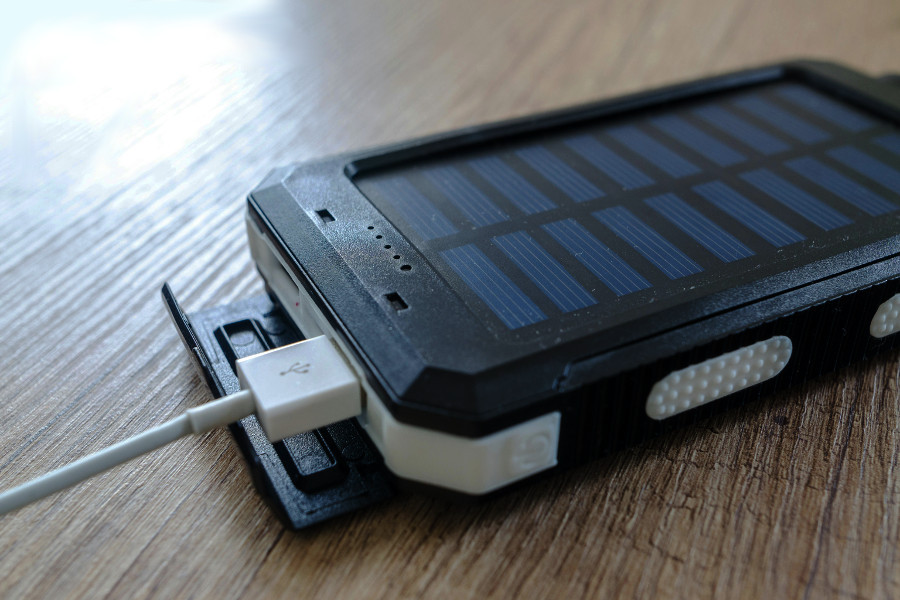
These little lifesavers are like having a tiny power station in your pocket. Portable power banks are the go-to for quick, easy charging of phones or small devices.
Pros:
- Lightweight and easy to stash in your backpack
- Affordable and simple to use - plug and charge
- Perfect for day trips or short hikes
Cons:
- Limited juice; might only recharge your phone a few times
- Need to be charged ahead of time (at home or with solar)
- Not great if you’re trying to power multiple devices all day long
If you just want a backup for your phone or flashlight, these are your best friends. Light, cheap, and hassle-free.
2.2. Solar Chargers and Solar Panels
Here’s where nature helps you out - solar chargers turn sunlight into power. Whether it’s a foldable panel or a solar power bank, you’re literally using the sun to charge your stuff.
Pros:
- Clean, green, and totally renewable energy
- No fuel, no noise, just sun and patience
- Packs light and fits nicely into most backpacks
Cons:
- Charging speed depends on how sunny it is (cloudy days are a bummer)
- Can take longer to juice up your gear than a power bank or generator
- You’ll need to find a sunny spot and keep your panels facing the sun
If you’re camping for several days and the weather’s cooperating, solar chargers are a solid way to stay powered without lugging extra fuel or making noise.
2.3. Portable Generators
If you want serious power and don’t mind the extra weight or noise, portable generators bring the muscle. They run on gas or propane and can keep multiple devices - and even small appliances - running.
Pros:
- Plenty of juice for multiple devices at once
- Works rain or shine, no waiting for the sun
- Great for longer trips where you want to stay comfortable
Cons:
- Heavy and bulky; not something you want to carry miles on foot
- Loud, which can kill the peace of your campsite
- Requires fuel, which adds cost and hassle
Generators are perfect for car campers or those who want to bring a little bit of home with them, complete with power-hungry gear.
2.4. Battery Packs and Power Stations
Think of these as the bigger siblings of power banks. These portable power stations pack more capacity and offer multiple ports - USB, AC outlets, even 12V plugs. Some even pair up with solar panels.
Pros:
- Can power everything from phones to laptops and lights for days
- Quiet, unlike noisy generators
- Versatile and reliable for longer camping trips
Cons:
- Heavier and pricier than your average power bank
- Need to recharge from an outlet or solar before heading out
- Bulkier, so better for car camping or short hikes with a buddy
If you’re all about multi-day trips or working remotely from your tent, these power stations are a game changer.
2.5. Car Chargers and Inverters
Camping with a car? Use it as your power hub. Plug your devices into USB ports or an inverter that converts your car’s battery power to charge laptops or run small appliances.
Pros:
- Easy and convenient if you’re near your vehicle
- Can charge multiple devices without carrying extra gear
- No need to buy special batteries or panels
Cons:
- Your car battery can only handle so much; keep an eye on it
- May need to run the engine occasionally to recharge the battery
- Not useful if you’re miles away from your ride
Car charging is a no-brainer for road-trippers or RV campers who want power without fuss.
3. Factors to Consider When Choosing a Power Source
Choosing your power setup comes down to a few key questions:
- How long is your trip? A quick day hike needs less juice than a week-long camping spree.
- What devices do you need to charge? Just a phone, or a laptop, camera, lights, and more?
- How much weight can you carry? Backpackers want light and compact; car campers can bring more.
- How eco-friendly or quiet do you want to be? Generators give power but can be noisy and polluting.
- What’s your budget? There are options for every wallet, from cheap power banks to expensive solar stations.
Think about your trip style and gear to find your perfect power match.
4. Tips for Maximizing Battery Life and Charging Efficiency While Camping
- Fully charge devices before you leave the house.
- Turn on power-saving modes and dim your screen.
- Set solar panels where they’ll soak up the most sun.
- Unplug chargers and devices when not in use to save power.
- Bring spare cables and adapters - you never know what might come in handy.
These small moves can stretch your battery life and keep frustration at bay.
Closing Words
Charging devices while camping doesn’t have to be a headache or mean dragging tons of gear. Whether you’re happy with a simple power bank, keen on harnessing the sun, or ready to bring along a generator, there’s a power source out there for every type of camper. Figure out what matters most - weight, convenience, eco-friendliness, or power capacity - and pick the option that fits your adventure. That way, you’ll keep your devices alive and stay connected without losing that feeling of wild freedom. So, pack your gear, grab your charger, and get ready to enjoy the best of both worlds: nature and tech, working together in perfect harmony.
Ready to plug in and power up your next trip? Your devices - and your peace of mind - will thank you.