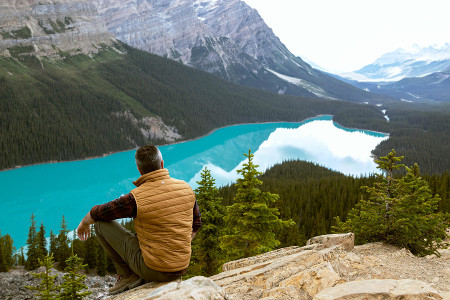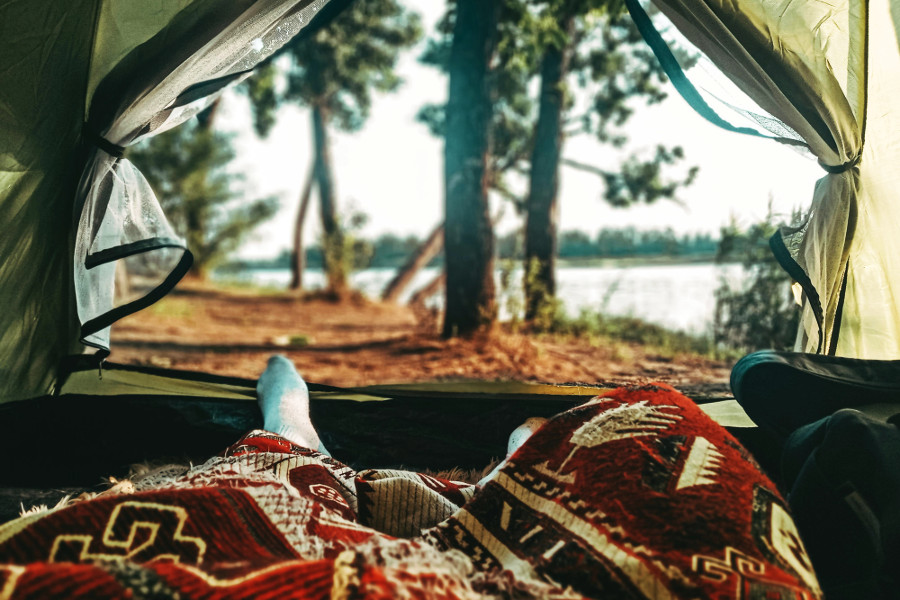
We all know the struggle of sleepless nights, but nature offers a surprisingly effective solution. Walking in natural environments has been shown to enhance sleep quality in multiple ways. By synchronizing our body’s circadian rhythm with the natural light around us, spending time outdoors helps regulate our internal clock, making it easier to fall asleep and stay asleep. Additionally, walking itself has numerous benefits for mental health, lowering stress and anxiety - two major culprits of poor sleep. Whether it’s the fresh air, sunlight, or peaceful surroundings, nature walks provide a natural remedy to improve both the quantity and quality of your rest.
1. The Connection Between Nature and Sleep
Science backs what many of us feel intuitively: nature helps us sleep better. It’s no coincidence that our circadian rhythm, the body’s natural clock, follows the rising and setting of the sun. Spending time outside, soaking in natural light, helps keep this rhythm steady. When this internal clock is in sync, your body knows when to wake up and when to wind down.
Research shows that people who spend more time in green spaces tend to fall asleep faster and sleep longer. One study even found that just having a window with a view of trees or parks can improve sleep quality. So, nature’s not just scenery; it’s a sleep coach, gently nudging your body toward healthier rhythms.
2. Physical Benefits of Walking That Promote Better Sleep
Walking isn’t just movement - it’s medicine for your sleep. Regular walking tires your muscles just enough to make you ready to crash at night, but without the stress that intense workouts can sometimes bring.
Moderate aerobic exercise like walking reduces the time it takes to fall asleep and can deepen your rest. If you’ve ever tossed and turned, walking might help ease restless legs or even lessen the severity of sleep apnea by improving your overall cardiovascular health.
Think of walking as a natural lullaby for your body - calming it down after a busy day and making it ready for a good night’s sleep.
3. Mental Health Improvements from Nature Walks and Their Impact on Sleep
Stress and anxiety are notorious sleep killers. When your mind races with worries, falling asleep feels impossible. Nature walks, however, act like a balm for the busy brain.
The sounds of rustling leaves, birdsong, and the gentle breeze help lower cortisol, the stress hormone, calming your nervous system. Studies show that walking in natural settings reduces anxiety and boosts mood, making it easier to switch off when night falls.
Simply put: feeling peaceful in your mind means your body can finally relax and dive into deep, restorative sleep.
4. The Role of Sunlight and Fresh Air
One of the best things about walking in nature is the sunlight. Natural light exposure during the day helps regulate melatonin, the hormone that tells your brain when it’s time to sleep. Without enough daylight, your melatonin cycle gets thrown off, and your nights become restless.
Breathing in fresh air also helps. It lowers your heart rate and relaxes your muscles, making it easier to unwind. Plus, sunlight encourages your body to make vitamin D, which plays a quiet but important role in sleep regulation.
So, a dose of sunshine and fresh air is like nature’s cocktail for a better night’s rest.
5. Practical Tips for Using Nature Walks to Improve Sleep
- Best times to walk: Aim for morning or late afternoon walks. Morning sunlight helps set your internal clock, and a gentle stroll before sunset can help you wind down.
- Duration and intensity: Shoot for about 30 minutes at a comfortable pace. Enough to get your blood flowing without feeling wired.
- Choose your spot: Whether it’s a local park, forest trail, or beach path, pick a place that feels calming and safe. The sights and sounds should soothe, not stress.
- Add mindfulness: Use your senses - listen to birds, feel the breeze, notice the colors around you. Try some deep breathing or simple meditation to deepen relaxation.
6. Personal Experiences
Many people have felt the shift after making nature walks part of their routine. A story comes from a small study where participants reported feeling less anxious and sleeping more soundly after spending time walking in nearby forests.
Even if the science isn’t front-page news, the real-world impact speaks volumes - sometimes the simplest things make the biggest difference.
Closing Words
Incorporating nature walks into your routine can be a simple yet powerful way to improve your sleep. From balancing your circadian rhythm to easing mental stress and promoting physical relaxation, nature offers a holistic approach to better rest. Whether you choose morning walks to start the day or a gentle evening stroll to wind down, the calming effects of nature help guide your body into a deeper, more restful sleep. So, step outside and allow nature’s peaceful rhythm to support your journey toward better sleep and overall well-being.