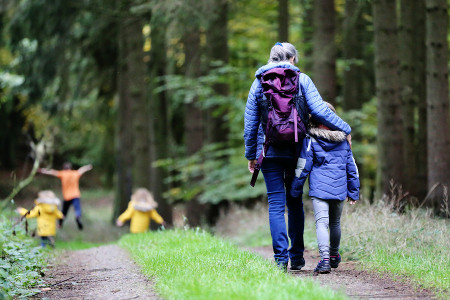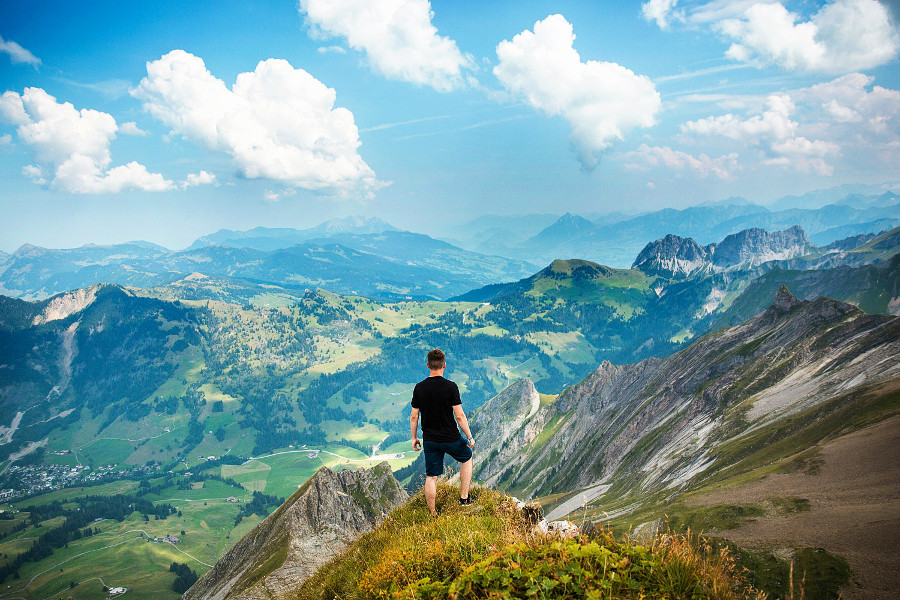
Hiking alone offers a sense of freedom and connection with nature, but it also comes with its own set of risks. Whether you're an experienced hiker or a beginner, solo adventures require thoughtful preparation to ensure your safety. From selecting the right trail to knowing how to handle wildlife encounters, it’s important to equip yourself with knowledge and the right gear. In this article, we’ll walk you through essential safety tips every solo hiker should consider. By taking a few simple precautions - like scouting your trail, staying connected, and trusting your instincts - you can enjoy your hike with confidence and peace of mind, knowing you're well-prepared for whatever the wilderness throws your way.
1. Scout Your Trail Like a Pro
Before you lace up your boots and disappear into the woods, spend some time researching your route. Not all trails are created equal, especially when you’re on your own. Pick one that fits your skill level, is well-marked, and ideally, popular enough that you might bump into a few friendly faces.
Check trail reviews on apps like AllTrails or your local park website to see if there are any warnings - muddy spots, fallen trees, or wildlife sightings. It pays off to know what you’re getting into, whether that means gentle paths or gnarly climbs. Being prepared is half the battle won.
2. Tell Someone Where You’re Going
This is basic but often overlooked. Before heading out, drop a message to a friend or family member with the deets: where you’re hiking, when you expect to start and finish, and where you parked your car. You can even share your GPS location if you’re feeling tech-savvy.
This simple step is your lifeline if you get lost or injured. Someone knowing your plan means someone will start looking for you if you don’t check in.
3. Pack Like You’re Spending the Night, Even If You’re Not
When you’re out there alone, you’ve got to be self-sufficient. Pack light, yes - but pack smart. Don’t skimp on the essentials, even if it’s a day hike.
Make sure your backpack has:
- Navigation tools like a map and compass, or a GPS with offline maps
- A first-aid kit for scrapes, blisters, or anything worse
- Extra food and water - always bring more than you think you’ll need
- A headlamp or flashlight with spare batteries
- A whistle to signal for help if needed
- An emergency blanket or bivy sack to stay warm
- Fire-starting gear for warmth and signaling
- A multi-tool or pocketknife
Even if you expect to be back by sunset, pack like you might have to spend the night. Nature’s unpredictable, and it’s better to be ready.
4. Trust Your Gut and Stay Sharp
Your instincts are your secret weapon. If a trail or a situation feels wrong, listen to that inner voice. It’s okay to turn around, skip a section, or even call it a day early.
Keep your ears open - ditch the music or use just one earbud so you can hear the rustle of animals or shifting weather. Pay attention to your surroundings and be ready to adapt. Being alert isn’t about paranoia, it’s about respect - for nature and yourself.
5. Stay Connected (As Much as Possible)
Bring a fully charged phone and consider carrying a power bank. If you’re heading way off the grid, a GPS beacon or satellite messenger like a Garmin inReach can be a game-changer. These devices let you send SOS signals or check in, even when your phone is useless.
And don’t just rely on technology - download offline maps and emergency numbers before you go. Batteries die and reception disappears, but preparation stays with you.
6. Know How to Handle Wildlife Encounters
You’re a guest in the wild, so play it cool. Make noise regularly to avoid surprising animals - most will steer clear if they know you’re coming. If you’re hiking where bears roam, carry bear spray and learn how to use it properly.
If you see wildlife, don’t run or get too close. Back away slowly, give them space, and keep calm. Remember: curiosity killed the cat, and it can seriously mess with a solo hiker.
7. Play It Safe - No Daredevil Moves
There’s no prize for the sketchiest shortcut or the steepest cliff scramble when you’re flying solo. Stick to the marked trails and don’t tempt fate by testing your limits recklessly.
Solo hiking means you’ve got to respect your boundaries and accept that caution is your best friend out there. Your safety depends on making smart calls, not daring ones.
8. Hit the Trail Early and Watch the Weather
Start your hike early enough to finish comfortably before dark. Even trails you know well become tricky when the sun dips below the horizon.
Check the forecast before you leave. Mountain weather can switch from gorgeous sunshine to thunderstorm in minutes. Dress in layers, bring rain gear no matter what, and always be prepared for a quick change.
Closing Words
Hiking alone isn’t about being fearless. It’s about being prepared, respectful, and a little bit cautious. With a solid plan, good instincts, and the right gear, you can savor the freedom and peace that come with solo adventures - without putting yourself at risk. So pack your bag, double-check your gear, and get out there. The wild is calling, and you’ve got everything you need to answer safely.