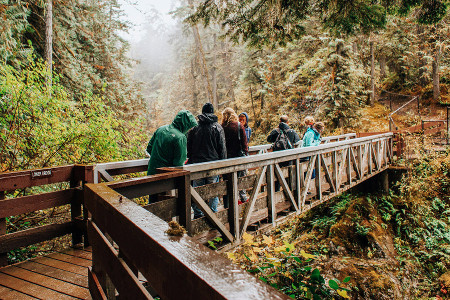
Remember that feeling of wandering through the woods alone, with nothing but the crunch of leaves beneath your boots and the whisper of the wind? Solo hiking has this magical way of connecting us to nature and ourselves in a way that’s hard to beat. It’s all about the freedom to move at your own pace, the thrill of exploring off the beaten path, and the quiet moments when it’s just you and the wilderness. But, let’s be honest - going solo also comes with some real challenges. To make your trip safe and fun, you need a bit of planning and some solid know-how. So if you’ve been thinking about taking that solo plunge, here are some handy tips to get you started.
Planning Your Solo Hike
Planning is where it all begins. You don’t want to find yourself overwhelmed on a trail that’s way too tough or wandering lost because you didn’t check the weather or trail conditions. Start with a trail that fits your current fitness and skill level - nothing too wild or remote if it’s your first time hiking alone.
Get the lowdown on the trail beforehand. Look for recent updates online about closures, wildlife sightings, or tricky spots. And always check the weather because there’s nothing worse than getting caught in a downpour or unexpected cold snap miles from shelter.
One crucial move: tell someone you trust where you’re going and when you expect to be back. It sounds simple, but it’s a lifeline if something goes wrong. Give them a rough plan or itinerary, so they know when to start worrying if you don’t check in.
Oh, and don’t rely on just your phone’s GPS - bring a paper map and compass too. Electronics can fail, batteries die, and cell signal disappears when you’re deep in the woods.
Essential Gear for Solo Hiking
Packing smart makes all the difference. Dress in layers - think breathable shirts, a warm mid-layer, and a waterproof jacket just in case the weather decides to switch it up on you. And invest in a good pair of hiking boots or shoes that feel comfortable and offer solid grip. Blisters and sore feet can ruin your day fast.
Your backpack should carry the essentials: plenty of water (don’t underestimate how thirsty you’ll get), snacks that pack a punch (nuts, energy bars, dried fruit), a first aid kit, a multitool or pocket knife, a headlamp or flashlight, and an emergency whistle. That whistle isn’t just for fun - it can save your life by alerting others if you need help.
Besides that, bring your navigation gear - map and compass - and if you want to go one step further, consider a personal locator beacon or satellite messenger. They’re pricey but can be game-changers if you’re hiking somewhere remote without cell service.
Safety Tips on the Trail
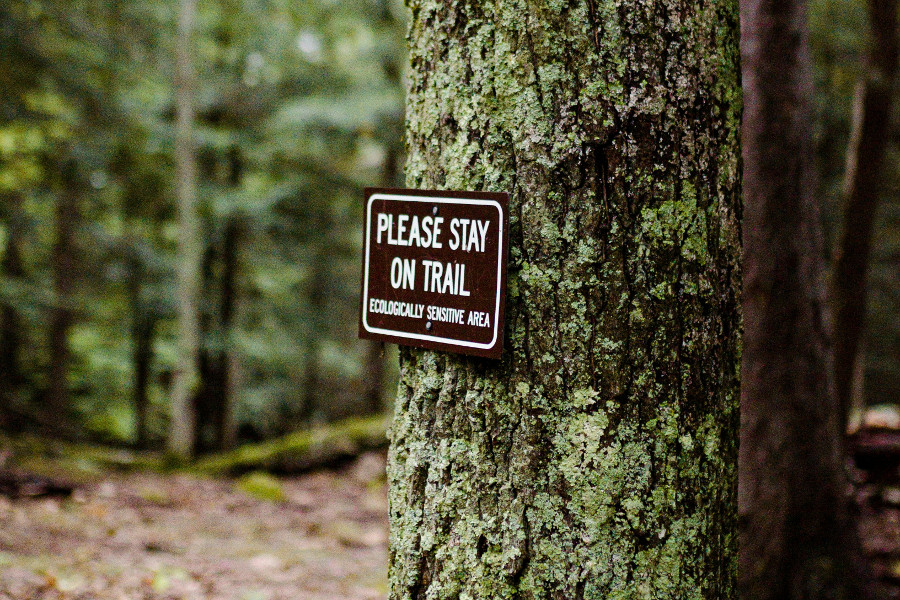
Once you’re on the trail, keep safety front and center. Stick to marked paths; those shortcuts might look tempting but can lead you straight into trouble. Stay aware of what’s going on around you - wildlife, unstable ground, sudden weather shifts.
Drink water regularly and snack often. It’s easy to get caught up in the scenery and forget to fuel your body, but energy and hydration are your best friends out there.
Try to plan your hike so you’re off the trail before dark. Night hiking might sound adventurous, but it’s a whole different ballgame with limited visibility and more hazards. If you feel uneasy at any point, don’t hesitate to turn back. Trusting your gut is a solo hiker’s best tool.
Enhancing the Solo Hiking Experience
Here’s the best part: solo hiking isn’t just about covering miles; it’s about soaking in the moment. It’s your chance to disconnect from the noise of everyday life and tune into nature’s rhythm. Listen to the birds, feel the breeze on your skin, breathe deeply - it’s all part of the experience.
Some hikers like to use this time to journal, take photos, or just sit quietly and reflect. The solitude can be surprisingly refreshing and even therapeutic.
That said, solo doesn’t mean lonely. It’s okay to say hi to other hikers or swap trail stories, but keep your boundaries clear and stay alert. You’re out here for yourself, after all.
What to Do in an Emergency
Let’s hope you never need it, but emergencies happen. Knowing some basic first aid can make a world of difference. Learn how to handle common issues like blisters, cuts, and sprains before you hit the trail.
If you get lost or hurt, try to stay calm. Use your whistle to signal, and if you have cell service, call for help. If you’re stuck, find a safe spot and conserve your energy while waiting for rescue.
Having emergency contacts saved in your phone or a rescue app installed can speed things up if you do need help. Preparation is your best friend here.
Closing Words
Solo hiking is a wonderful way to reconnect - with nature, with your own thoughts, and with a sense of independence. With a bit of planning, the right gear, and some common sense on the trail, you can make your solo adventures both safe and incredibly rewarding. Start easy, build confidence, and then challenge yourself more as you grow. There’s a special kind of magic in walking alone through the wild, knowing that the trail ahead is yours to explore. So, grab those boots, pack your bag, and get out there. Your next great adventure is waiting.